
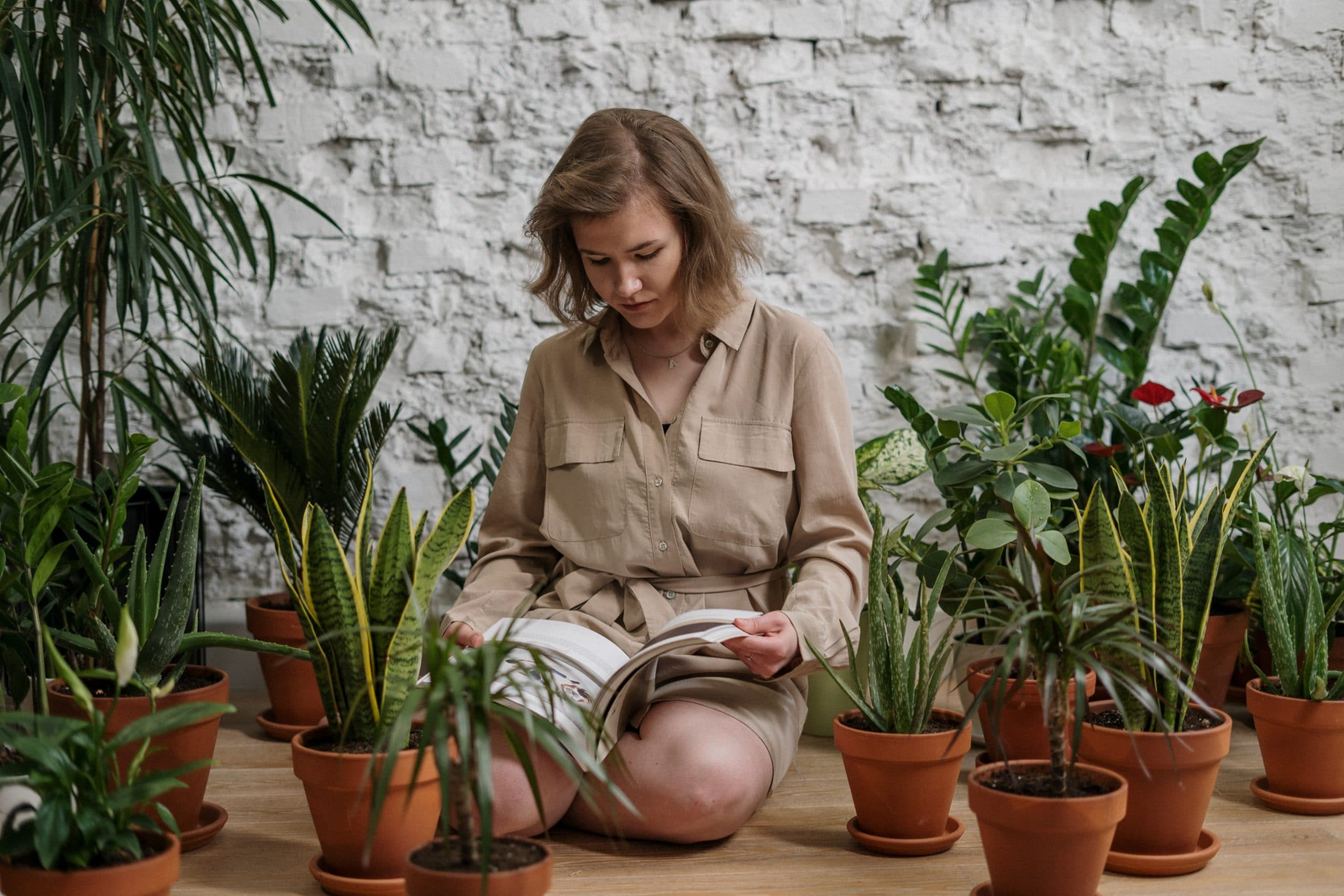
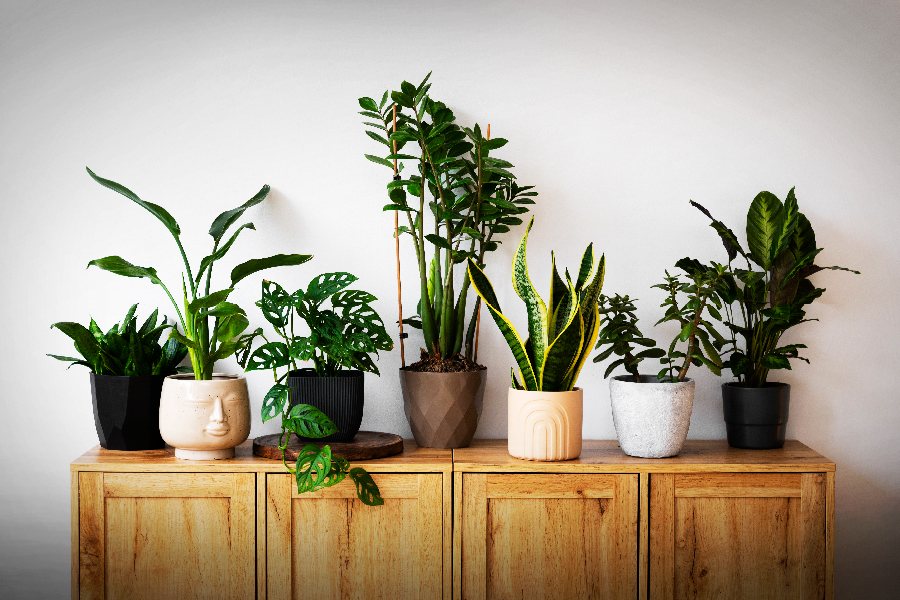
Keeping your plants healthy is not difficult, but it does require some care, attention, and understanding of their needs. Whether you have a few small pots or a house full of greenery, learning how to properly take care of plants will help them grow strong and live longer. Healthy plants not only look beautiful but also create a fresh and peaceful environment in your home.
Understand Your Plant’s Needs
Every plant is different. Some plants need a lot of sunlight, while others grow better in shade. Some require frequent watering, while others prefer dry soil. The first step to keeping plants healthy is to understand what each plant needs. When you know your plant’s requirements, it becomes much easier to care for it properly.
Provide the Right Amount of Light
Light is one of the most important factors for plant health. Most indoor plants need bright but indirect sunlight. Placing plants near windows is usually a good idea, but avoid direct sunlight for plants that are sensitive, as it can burn their leaves. If your home does not get much natural light, you can use artificial grow lights.
Water Your Plants Properly
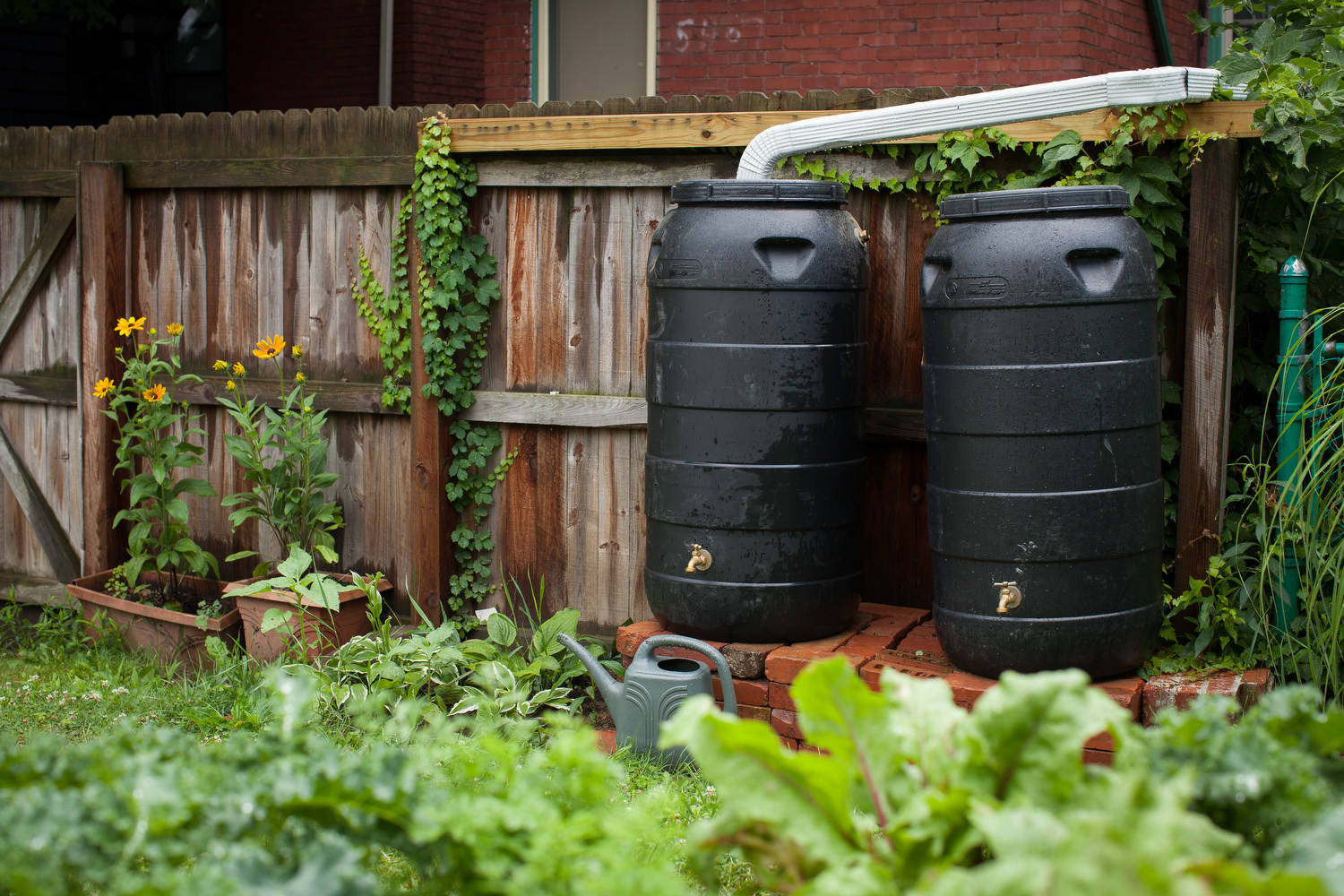
Overwatering is one of the most common mistakes people make. Too much water can cause root rot, while too little water can dry out the plant. The best way to know when to water is to check the soil. If the top layer feels dry, it is time to water. Make sure the pot has drainage holes so extra water can escape.
Use Good Quality Soil
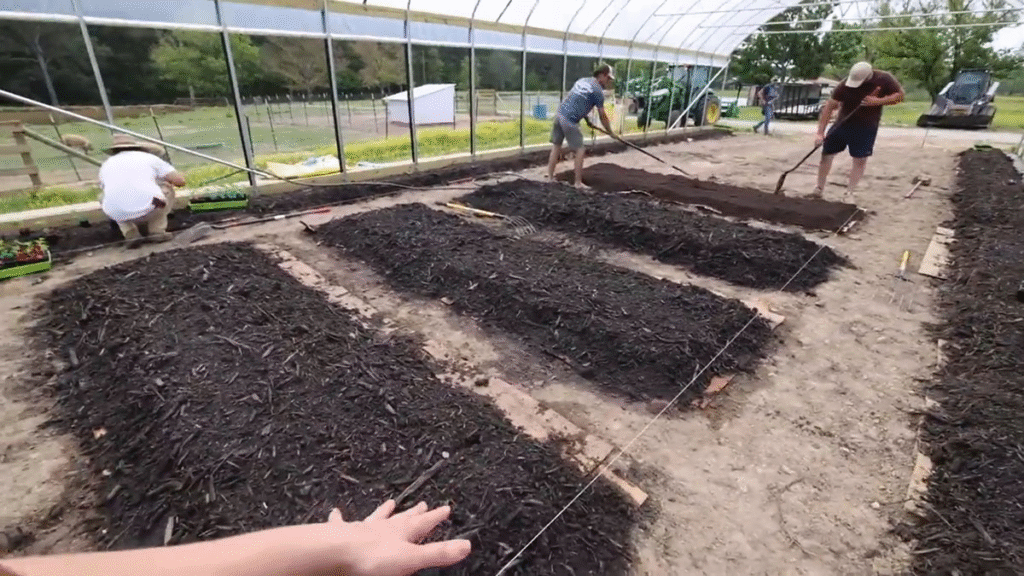
Healthy soil provides the nutrients that plants need to grow. Different plants may require different types of soil, such as well-draining soil for succulents or moisture-rich soil for ferns. Using the right soil helps roots grow properly and keeps the plant strong.
Maintain Proper Temperature
Most indoor plants grow well in normal room temperatures, usually between 18°C and 27°C. Avoid placing plants near heaters, air conditioners, or cold drafts, as sudden temperature changes can harm them.
Ensure Proper Humidity
Some plants, especially tropical ones, need higher humidity to stay healthy. Dry air can cause leaves to turn brown. You can increase humidity by misting the plants, placing a bowl of water nearby, or using a humidifier.
Fertilize When Needed
Plants need nutrients to grow, and sometimes soil alone is not enough. Using fertilizer can help provide extra nutrients. However, do not over-fertilize, as it can damage the plant. Follow the instructions and feed your plants during their growing season.
Prune and Clean Regularly
Removing dead or yellow leaves helps the plant focus its energy on new growth. Cleaning dust from leaves also allows the plant to absorb more light. Regular pruning keeps plants looking neat and healthy.
Protect from Pests
Pests like insects can harm plants by feeding on their leaves. Check your plants regularly for signs of pests, such as spots or holes in the leaves. If you notice a problem, treat it quickly using natural or safe pest control methods.
Repot When Necessary
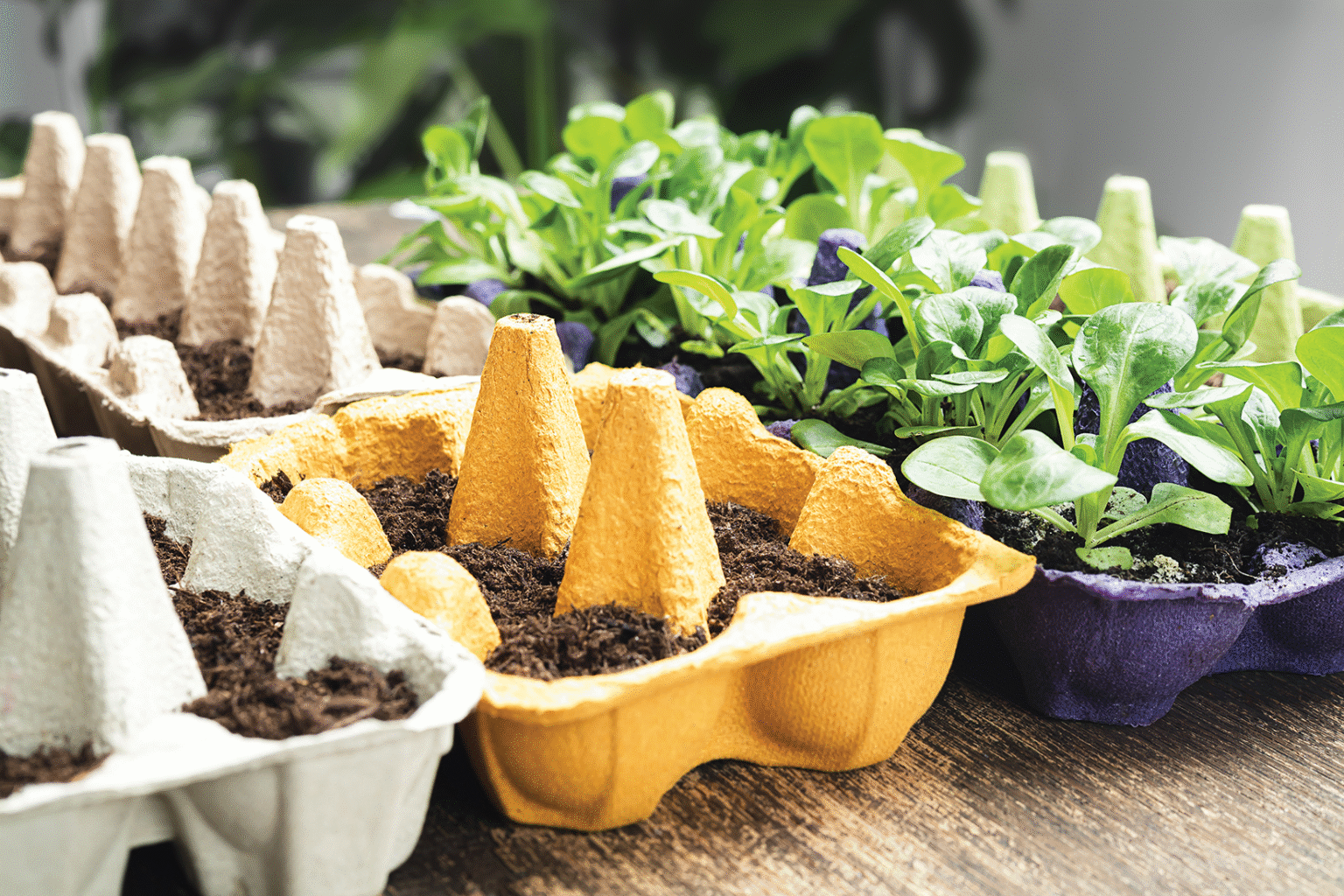
As plants grow, they may outgrow their pots. When roots become crowded, it is time to move the plant to a larger pot. Repotting gives the plant more space and fresh soil, helping it continue to grow.
Give Time and Attention
Plants need regular care and attention. Spend a little time each day checking on them. Notice any changes in their leaves, color, or growth. Early attention to problems can prevent bigger issues later.
Final Thoughts
Keeping plants in the best health is all about balance—giving the right amount of light, water, nutrients, and care. With a little effort and consistency, your plants will grow beautifully and bring life to your home. Even beginners can become successful plant caretakers by following these simple steps.

Leave a Reply